

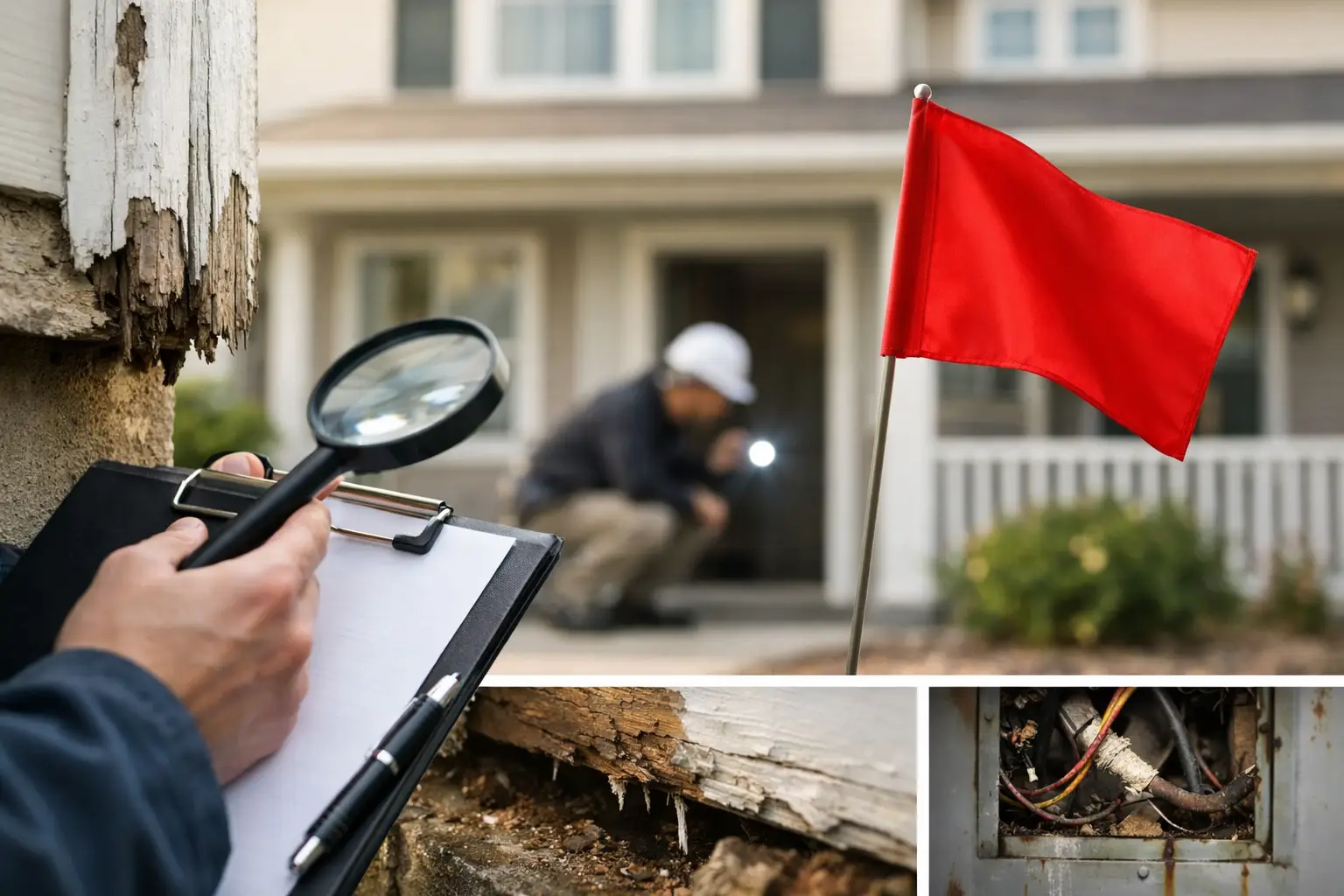
10 Jun 12 Property Inspection Red Flags to Spot
A polished kitchen and fresh paint can distract buyers from what really matters. The most costly mistakes usually sit behind walls, under floors, on roofs or in paperwork. That is why property inspection red flags deserve close attention before you commit, particularly in Sydney where competition can push buyers to move faster than they should.
Some issues are manageable. Others should change your price, your conditions or your decision to proceed at all. The key is knowing the difference.
Why property inspection red flags matter in Sydney
Sydney buyers often inspect homes under pressure. Campaigns move quickly, agents focus on buyer urgency, and attractive properties can draw strong competition from the first open. In that environment, it is easy to overlook signs that a property may carry hidden cost, risk or future resale problems.
Not every red flag means a property is a bad purchase. A dated bathroom is one thing. Structural movement, drainage failure or unapproved building work is another. Experienced buyers separate cosmetic shortcomings from defects that affect safety, finance, insurability, rental performance or long-term value.
12 property inspection red flags to watch closely
1. Cracks that suggest movement, not age
Hairline cracking in older homes is common. Wider cracks around door frames, stepped cracks in brickwork, or cracks that keep reappearing after patching can point to movement in the structure or foundations. In parts of Sydney with reactive clay soils, sloping sites or older retaining walls, this deserves proper investigation.
The question is not simply whether cracks exist. It is whether they are stable, cosmetic, seasonal or evidence of ongoing movement. That distinction can affect repair costs significantly.
2. Doors and windows that do not close properly
A sticking door on its own may be minor. When several doors or windows are out of square, especially alongside uneven floors or visible cracking, it can be another clue that the building has shifted. Buyers sometimes dismiss this as age or swelling timber, but patterns matter.
During an inspection, note whether frames have been recently shaved, patched or painted over. Those small touches can hide a larger issue.
3. Fresh paint in very selective areas
Freshly painted homes are not a problem in themselves. Selective repainting, however, can be telling. A newly painted ceiling under an older roofline, one patched section of wall, or isolated touch-ups in corners may suggest previous water ingress, mould or crack repair.
This is where context matters. If the whole home has been renovated, fresh paint is expected. If only one bedroom ceiling looks brand new while the rest of the property has obvious wear, ask why.
4. Signs of water damage or poor drainage
Water is one of the most expensive and persistent causes of property trouble. Damp smells, bubbling paint, stained ceilings, swollen skirting boards and mould growth should never be brushed aside. Outside, pooling water, poor site runoff, blocked pits, eroded soil and downpipes discharging near the house can all create future headaches.
In Sydney, stormwater and site drainage issues can become serious on sloping blocks or older properties where drainage systems have not been upgraded. Water problems often worsen over time rather than resolve themselves.
5. A roof that looks tired or poorly repaired
The roof is easy to ignore during a quick open home, yet replacement or major repair can be substantial. Watch for sagging rooflines, slipped tiles, rusted metal sheets, patched valleys, deteriorated flashing and signs of previous leaks in the ceiling below.
A roof does not need to be new to be acceptable. It does need to be serviceable. If there is evidence of repeated patch jobs, buyers should factor in not just immediate repair cost but the likelihood of recurring maintenance.
6. Subfloor or under-house moisture
Where access is available, under-house areas can reveal more than the living room ever will. Excessive moisture, poor ventilation, mould, rot, rusting supports, pest activity or ponding water can signal drainage issues and long-term deterioration.
Older Sydney homes, particularly those with raised timber floors, can hide expensive subfloor problems. If the property feels springy underfoot or has a musty smell, a closer look is warranted.
7. Termite evidence, even if inactive
Past or present termite activity should always be treated seriously. Some buyers hear “inactive” and assume the issue has passed. That can be misleading. Inactive damage may still require repair, and conditions that allowed termites in the first place may still exist.
Timber framing, subfloors, fences and outbuildings can all be affected. The real concern is not just whether termites were found, but the extent of damage, the repair history and the current risk profile.
8. Unapproved renovations or additions
A deck, studio, enclosed balcony or lower-ground conversion can add appeal, but only if it has been done properly and approved where required. Unapproved works can create finance issues, insurance complications and costly compliance problems after settlement.
This is one of the most overlooked property inspection red flags because buyers focus on extra space rather than legal and practical risk. If an addition looks newer than the rest of the home, ask for documentation. Do not rely on verbal assurances.
9. Electrical and plumbing systems that show their age
Old switchboards, exposed wiring, inconsistent power points, low water pressure, slow drainage, corroded pipes and evidence of leaks behind vanities or under sinks all deserve attention. These services are often expensive to replace because the cost extends beyond the fittings themselves to access, wall repairs and compliance work.
For investors, outdated services can also affect tenant appeal and ongoing maintenance. For owner-occupiers, they can quickly turn a manageable renovation plan into a much larger project.
10. Poor ventilation and mould-prone areas
Bathrooms without effective extraction, bedrooms with condensation, sealed rooms with little airflow and lower-ground spaces that feel damp can all point to ventilation issues. Sometimes this is a simple fix. Sometimes it reflects broader moisture, waterproofing or design problems.
A property can look clean on inspection day and still have chronic mould issues, especially if windows have been left open and scented products have been used. Trust your senses. If the air feels damp or musty, there is usually a reason.
11. Retaining walls and boundary concerns
In Sydney, many homes sit on sloping blocks with retaining walls doing heavy work. Leaning walls, cracking, failed drainage behind retaining structures and movement near boundaries are not minor details. Repairs can be expensive and disputes with neighbours are never simple.
Boundary irregularities are another concern. Fences rarely prove legal boundaries on their own. If structures appear close to boundaries, or if access arrangements seem informal, further checks are prudent.
12. Noise, access and surrounding land use
Not every red flag is inside the building. Traffic noise, aircraft paths, nearby construction, difficult vehicle access, limited parking, overshadowing and future development potential next door can all affect enjoyment and resale value. These issues may not appear on a building report, but they absolutely belong in a proper inspection process.
A property can be physically sound and still be the wrong purchase if the surrounding environment undermines liveability or long-term demand.
What to do when you spot property inspection red flags
The right response depends on the issue. Some defects justify a lower price. Some call for further specialist advice, such as structural engineering, drainage assessment or strata record review. Some should prompt a buyer to walk away before emotion and competition lead to a poor decision.
The mistake is treating all defects the same. Cosmetic wear can be budgeted. Structural uncertainty, water ingress, illegal works and major service failures need firmer scrutiny. In a competitive market, disciplined buyers do better than rushed ones.
This is also where independent representation adds value. A buyer-focused adviser can assess whether a red flag is simply a negotiating point or a sign that the property no longer stacks up. That distinction can save substantial money and stress.
Look beyond the defect to the full buying risk
A red flag is rarely just about repair cost. It can affect lending, insurance, renovation timing, holding costs, tenantability and future resale. A home with drainage problems may also have subfloor deterioration. An unapproved addition may also create valuation issues. The point is to assess the chain reaction, not just the visible symptom.
Good buying decisions come from calm evaluation, not sales pressure. If something feels off during an inspection, there is usually a reason to investigate further.
At Geoff Weinberg Exclusive Buyers Agent, that buyer-protective approach is central to the process. The aim is not simply to secure a property, but to secure the right property on the right terms.
The best purchase is not always the one that looks perfect on Saturday afternoon. It is the one that still makes sense after the gloss wears off and the due diligence is done.
No Comments