

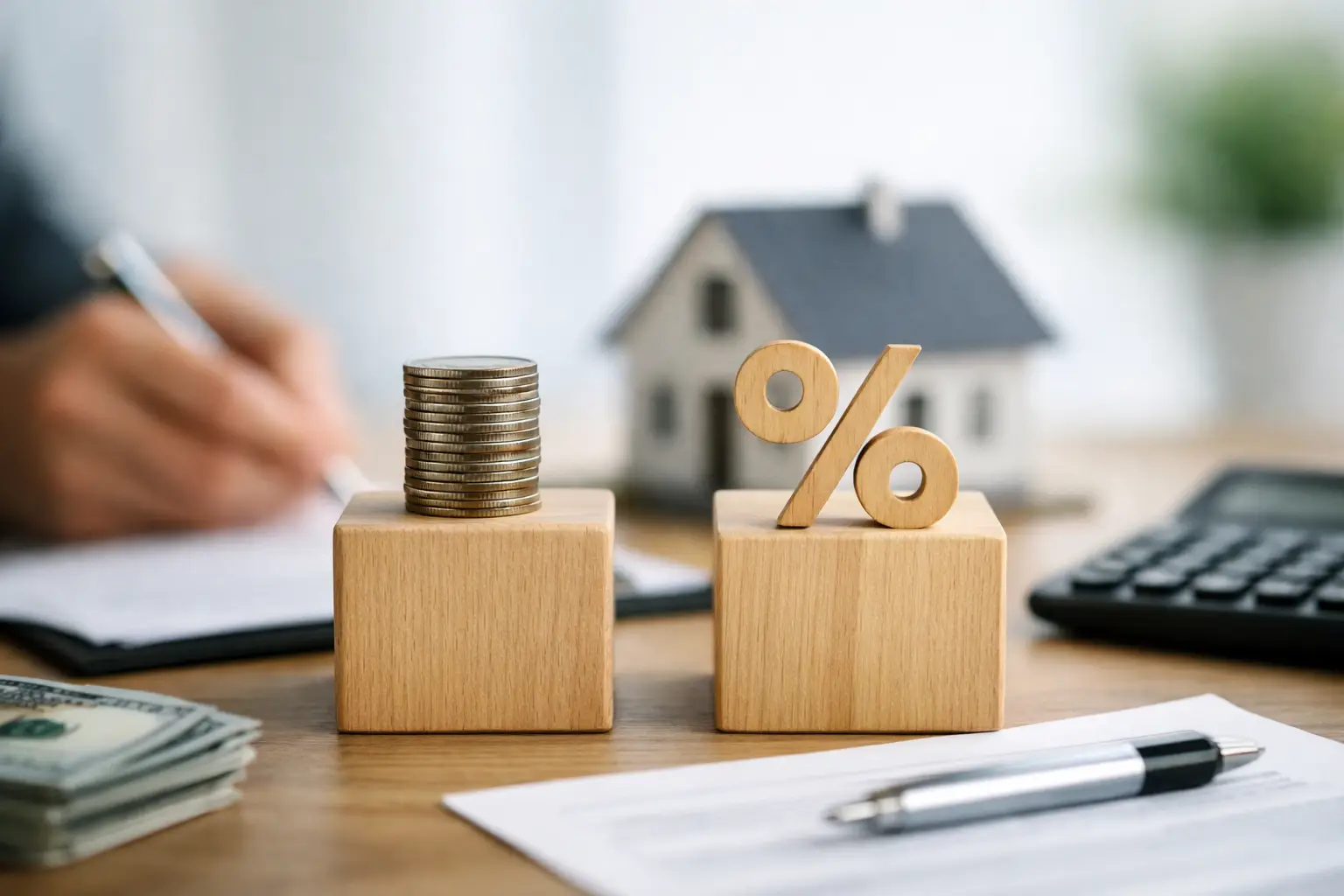
27 Aug Fixed Versus Percentage Buyer Fees Explained
A buyer’s agent fee is small beside the purchase price, but the way it is calculated can shape your confidence in the relationship from day one. When comparing fixed versus percentage buyer fees, the right answer is not simply the lowest quoted figure. It is the structure that is clear, fair for your circumstances and supports disciplined decision-making throughout your Sydney property search.
A capable buyer’s agent should be working solely for your interests: finding suitable opportunities, assessing value, negotiating firmly and helping you avoid expensive mistakes. Their fee should make that role easy to understand, not create uncertainty at the point you need trusted advice most.
What are fixed buyer fees?
A fixed fee is an agreed dollar amount for a defined scope of buyer’s agency services. You know the cost at the outset, regardless of whether you ultimately buy at $1.5 million or $3 million, provided the engagement terms and property brief remain the same.
This structure is popular with buyers who want certainty. For busy professionals, expats and interstate purchasers managing a purchase from a distance, knowing the professional fee upfront makes it easier to set a complete acquisition budget. That budget should also allow for stamp duty, legal costs, inspections, lender charges, moving costs and any immediate works required after settlement.
A fixed fee can also remove a common concern about incentives. If the agent’s remuneration does not rise as the purchase price rises, clients may feel more comfortable knowing that a recommendation to bid higher is based on market evidence and the importance of securing the right property, rather than a larger commission.
That said, a fixed fee is only meaningful when you understand what it covers. A lower fixed quote may reflect a narrower service, fewer inspections, limited search time or an engagement that ends once a property is identified. The value lies in the scope of work, the seniority of the person doing it and the quality of the advice provided under pressure.
How percentage buyer fees work
A percentage fee is calculated as a proportion of the final purchase price. For example, if the agreed fee is 1 per cent plus GST and the property is purchased for $2 million, the fee before GST is $20,000. The exact percentage, payment timing and any minimum fee should be set out clearly in the agency agreement.
Percentage-based fees can be appropriate where the workload and commercial complexity tend to increase with the calibre and value of the asset. A high-value home in a tightly held Sydney suburb may involve a lengthy search, discreet off-market discussions, multiple inspections, extensive comparable-sales analysis and detailed auction or private-treaty negotiation.
For some clients, this model feels aligned with the value of the transaction. It can also be easier to apply across a broad buying brief where the final purchase price is not yet known. If you are considering several suburb groups, property types or price ranges, a percentage structure may adapt without requiring a new fee discussion each time the brief evolves.
The trade-off is less certainty. In a rising market, or when a buyer decides to stretch for an exceptional property, the final fee may be materially higher than originally expected. Buyers should ask for worked examples at several purchase prices, including the top of their intended budget, before signing an agreement.
Fixed versus percentage buyer fees: the real comparison
The difference between fixed and percentage models is often presented as a question of price. It is better viewed as a question of transparency, service scope and alignment.
A fixed fee gives you a known cost. It is particularly useful if you have a firm budget or are comparing the total cost of buying across several possible properties. It can encourage a straightforward conversation: what is included, how long will the search run, who will attend inspections, and what happens if the brief changes?
A percentage fee moves with the purchase price. It may suit buyers whose search is complex or whose eventual price point is uncertain. However, it requires closer attention to the numbers. A seemingly modest percentage can become a substantial dollar amount at Sydney price levels.
Neither structure guarantees better advice. A professional buyer’s agent should use comparable sales, property condition, location factors, buyer demand and your long-term objectives to establish a sensible walk-away price. Strong representation means having the confidence to advise against a property, even after considerable search time, if it does not stack up.
The more useful question is whether the fee model is documented clearly and whether the agent can explain their process without evasiveness. You are engaging an advocate for one of the largest financial decisions you will make. Clarity is not a bonus. It is part of good representation.
Look beyond the headline fee
Before comparing quotes, establish whether you are comparing like for like. Buyer’s agency arrangements can differ significantly, even where the fee appears similar.
Ask whether the service includes a detailed initial brief, active property search, access to on-market and off-market opportunities, inspection attendance, suburb and sales research, price appraisal, negotiation, auction bidding and communication with your solicitor, broker and other advisers. Also clarify whether there are additional charges for travel, auction attendance, extended searches or specialist reports.
Building and pest inspections, strata reports, valuations, conveyancing and lender fees are usually separate third-party costs. A buyer’s agent can coordinate those steps and help you understand where further investigation is needed, but the agreement should make clear what you will pay directly and what sits within the agency fee.
GST also matters. Confirm whether every quoted amount is inclusive or exclusive of GST. It is a simple detail, but overlooking it can distort a fee comparison by thousands of dollars.
Consider the payment structure as well
The total fee is not the only financial consideration. Many agencies use staged payments, commonly an engagement fee followed by a success fee when a property is secured. The purpose is to reflect work performed during the search while maintaining a clear outcome-based component.
Review when each amount becomes payable and whether any engagement fee is refundable, credited against the final fee or retained if you decide not to proceed. There is no single arrangement that suits every client, but you should understand the financial commitment before the search begins.
It is also sensible to discuss the expected search timeframe. The right property may appear quickly, particularly when an agent has strong local relationships and a tightly defined brief. In other cases, patience protects you from buying a compromised property simply to bring the search to an end. Your agreement should support careful selection rather than create unnecessary pressure.
When a fixed fee may suit you best
A fixed fee is often a strong fit when you have a defined budget, a clear property brief and a preference for complete cost certainty. It can work well for owner-occupiers who know the areas and style of home they want, as well as investors with a disciplined acquisition budget.
It may also appeal where you expect the final purchase price to sit near the upper end of your range. You can focus on whether a property is worth pursuing without recalculating the agency fee every time the bidding moves.
For overseas and interstate buyers, a fixed structure can simplify planning. You still need to allow for changing market conditions, but the professional representation cost is known while you manage the purchase remotely.
When a percentage fee may be appropriate
A percentage fee may be suitable where the brief is broad, the search involves premium or unusual property, or the final purchase price could vary considerably. It can reflect the level of work required to locate and secure a scarce asset in a competitive market.
This model can be entirely fair when the percentage is reasonable, the fee has been fully explained and the buyer understands the likely dollar range. What matters is that there are no surprises and that the agent’s advice remains anchored to your budget, objectives and assessed market value.
Questions to ask before engaging a buyer’s agent
Ask for the total cost at your likely purchase price and at your maximum purchase price. Ask what work is included before you buy, what happens if your criteria change, and whether the agent receives any commission, referral payment or other benefit from selling agents or third parties.
You should also ask who will personally handle your search and negotiations. Experience is most valuable when it is applied directly to your purchase, particularly during price discussions and auction strategy. Geoff Weinberg Exclusive Buyers Agent approaches the process as dedicated buyer-side representation, with decisions guided by research, local knowledge and your stated objectives.
A fee structure should let you concentrate on the property, not second-guess the advice you receive. Choose the arrangement you understand completely, confirm the service scope in writing, and retain enough room in your budget to act decisively when the right Sydney property appears.
No Comments